
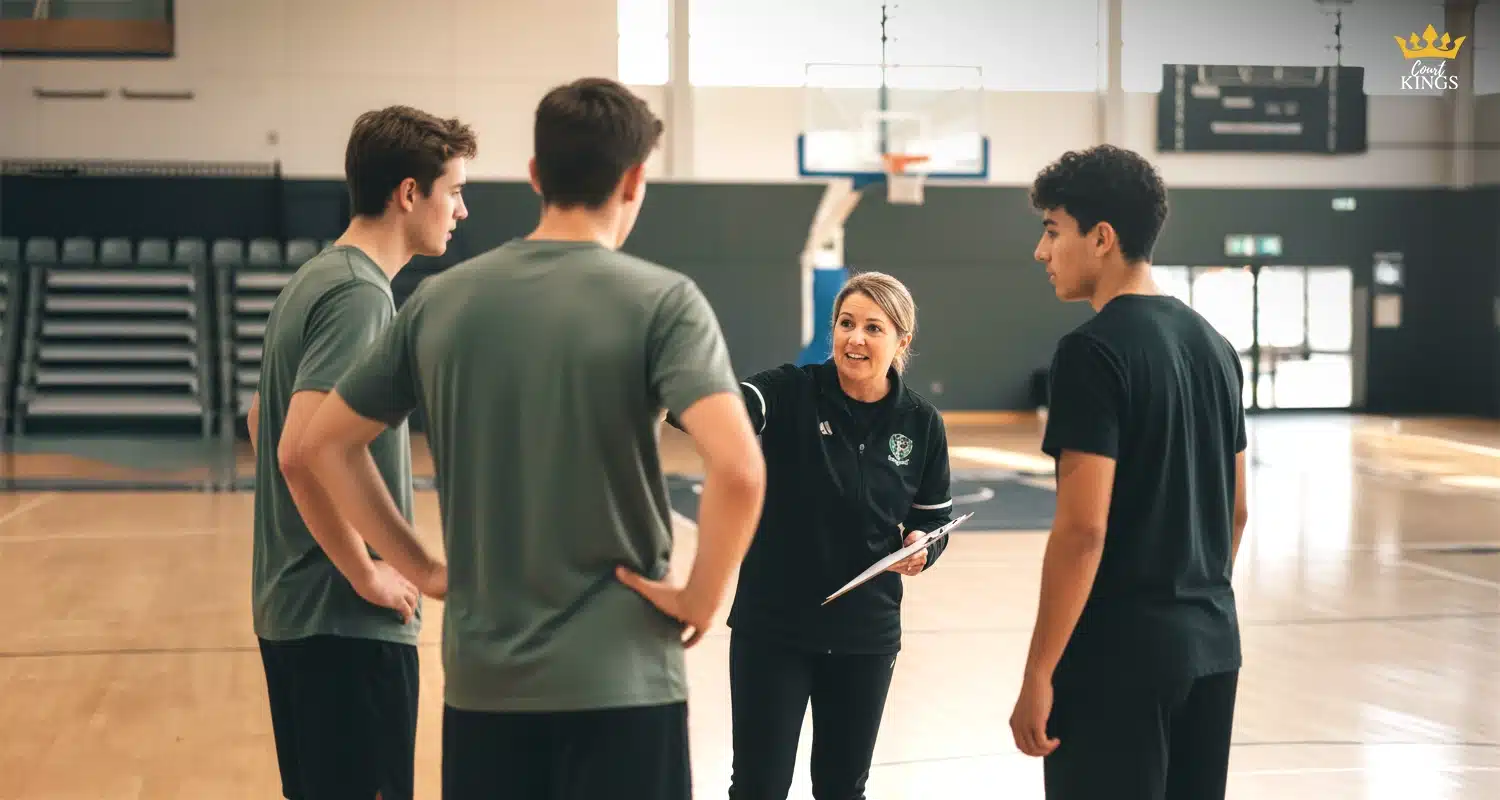
Basketball continues to grow across communities where players at different stages want clear guidance that helps them enjoy every match with confidence. Understanding how rules apply in various competitions supports safer play and better decision-making during games. Beginners often aim to learn official guidelines that shape structured matches and organise play correctly.
Knowledge of regulation supports new participants who want to enter leagues with proper expectations about safe conduct and fair competition. Learning about court standards, player eligibility, and match procedures allows smoother participation for all ages who want clear direction. This blog introduces essential information for anyone wishing to understand basketball regulation in NZ while gaining a strong foundation for future involvement.
Starting in basketball is much easier when players follow official basketball rules in NZ for beginners, as these guidelines explain how the game should be played. They outline the essential structure of matches, helping new participants recognise what is expected on the court. With this knowledge, players can feel more confident as they learn the sport.
These rules also promote fairness and consistency across schools, clubs, and community competitions. New players benefit from knowing how referees make decisions and what actions are considered legal during gameplay. By learning these fundamentals early, athletes can focus on developing skills and enjoying their basketball experience.
Some of the universal rules all players must follow include:
An NZ basketball court dimensions and markings guide provides essential information for players, coaches, and organisers to ensure games are played correctly. Standard courts measure 28 metres in length and 15 metres in width, with adjustments made for junior or training courts. Markings on the court indicate key areas for shooting, defending, and starting play, helping maintain structure and fairness during matches.
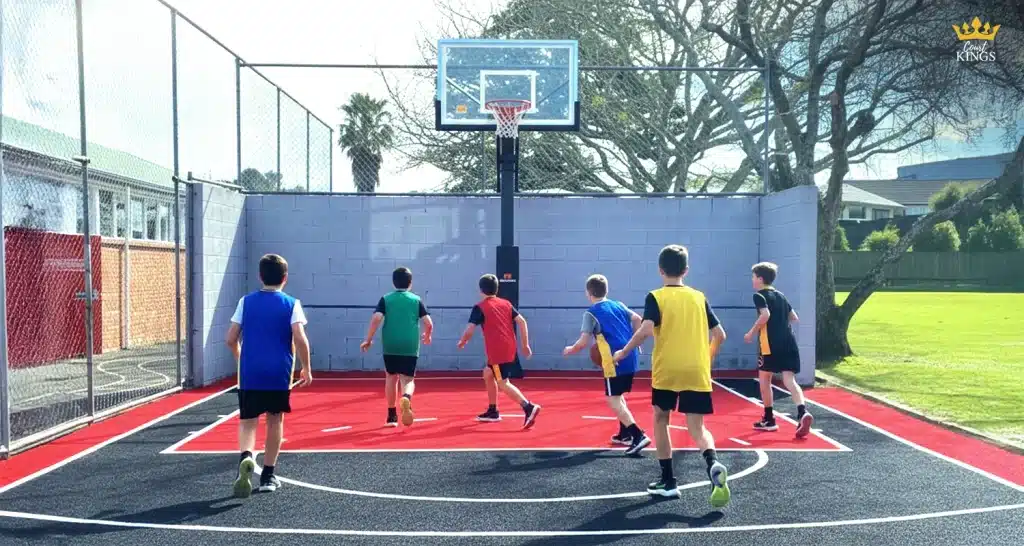
In New Zealand, basketball players are organised into defined age groups to support fairness, skill development, and player safety. These groupings allow athletes to compete against others with similar physical abilities and experience levels. The standard age categories include:
Player eligibility is usually determined by the age on 1 January of the playing year, although some competitions may have alternative cut-off dates depending on the region. Clubs and schools often require proof of age at registration to prevent mistakes or misplacement in the wrong group.
Age grouping ensures that:
Game duration in New Zealand varies depending on the level and type of competition. Senior games typically follow the full international structure, while junior matches use shortened quarters to maintain engagement and minimise fatigue.
Younger teams often play:
Timeouts are particularly important in strategy and player management. Coaches may call:
Ensuring proper equipment is crucial for both safety and performance. Adhering to basketball regulations in NZ provides clear guidelines for balls, uniforms, footwear, and other essential gear, helping maintain fairness and reduce the risk of injury.
The size of the basketball depends on the player’s age and gender:
Using the correct ball size allows players to develop proper dribbling and shooting techniques while preventing strain on hands and wrists, particularly for younger athletes.
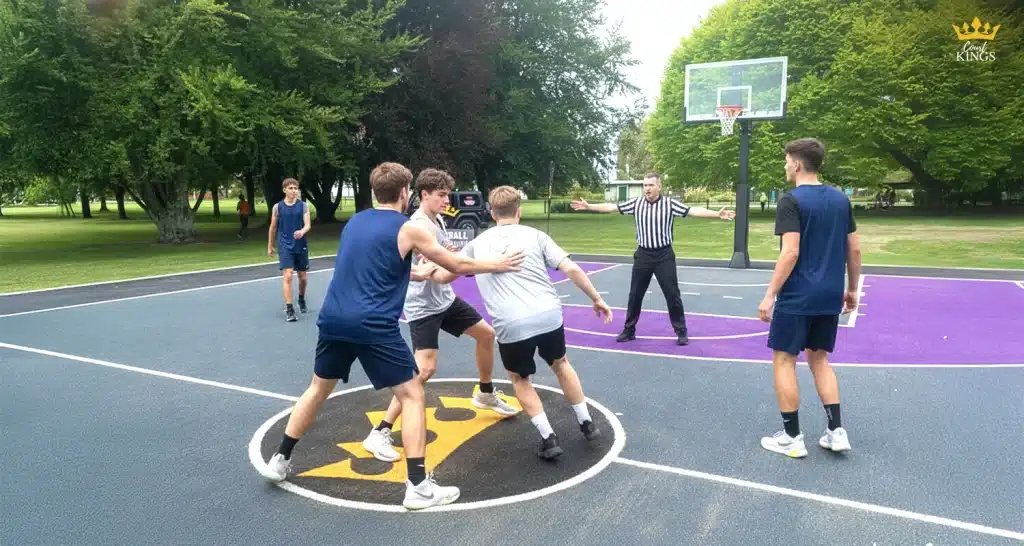
Basketball relies on a clear system of fouls and penalties to keep the play safe and fair. Observing basketball regulation in NZ helps players recognise which actions are allowed and which result in penalties, helping them develop proper habits on the court.
Players need to avoid certain types of contact and behaviour to protect themselves and others:
Violations occur when players break basic rules of movement and ball handling:
Youth basketball includes extra safety measures to protect young players and support their development. Basketball regulation in NZ guides to creation of a safe environment where children can learn and enjoy the sport effectively.
League systems rely on organised registration that ensures accurate details for every participating team. Forms include information about players, coaches, and supporting staff, which helps competitions run smoothly throughout each season. Some beginners encounter youth basketball league registration rules in NZ when joining structured programmes for the first time.
Competition rules outline expectations for scheduling, uniforms, conduct, and administrative processes. Clear instructions help teams prepare properly before each match to prevent misunderstandings that affect performance or eligibility. Organisers prioritise structured communication that keeps each group informed throughout the season.
Registration procedures also promote fairness because accurate information prevents teams from entering categories that do not match their ability or age level. Maintaining proper records helps administrators manage leagues efficiently. Responsible participation encourages players to respect the competition structure while learning important organisational habits.
Greater confidence grows once newcomers see how basketball regulation in NZ guides each stage of play, and simple rules help beginners feel more comfortable during matches because structure reduces uncertainty. Court Kings supports players as they keep learning, allowing them to use clear rules during competitive situations. Better focus on equipment needs, age groups, and safety steps helps beginners progress at a steady pace.
Knowledge of regulation supports smoother movement from training into organised matches as beginners follow expectations used across local competitions. Awareness of fair play standards helps build respectful habits across every skill level. Gradual learning of basketball regulation in NZ helps beginners enjoy matches without confusion because confidence rises when guidance stays consistent.